Acronym or Initialism: Say It or Spell It?
Acronym or initialism choices affect more than pronunciation. Learn how to document an organization’s spoken form and keep its name consistent across materials.

The most common mistake with an acronym or initialism is treating the spelling as a pronunciation rule. The cost is practical: a meeting host may stumble over a name, or a style guide may teach staff a pronunciation the organization never uses. An acronym is spoken as a word; an initialism is spoken letter by letter, but naming teams need more than that distinction.
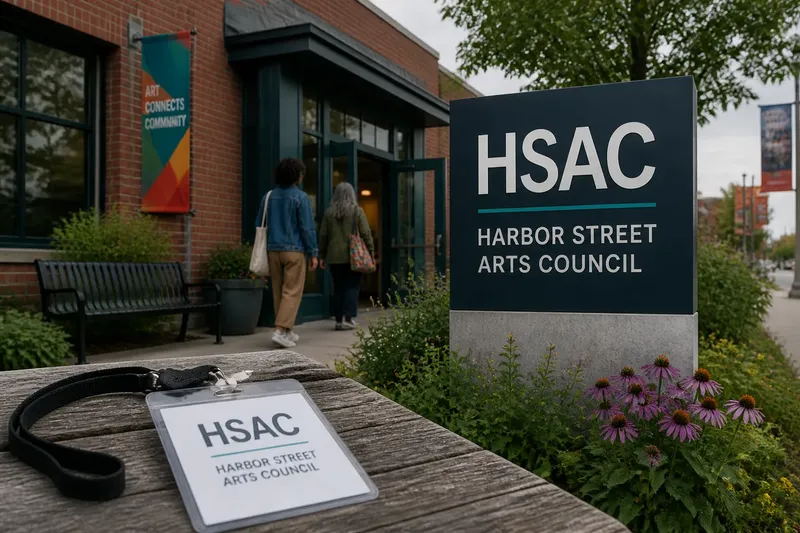
For an organization, the short form is also a piece of identity: it appears in a logo, a directory listing, a form, and perhaps a legal filing. Decide what the letters mean, where the short form is appropriate, and how it relates to the organization’s official name. Those choices matter even when nobody needs a pronunciation lesson.
Acronym or initialism describes speech, not status
NASA is commonly spoken as a word, so it is an acronym; FBI is commonly read as the names of its letters, so it is an initialism. Both are abbreviations formed from initial letters. The labels describe how people say them, not whether the organization is formal, official, or legally recognized.
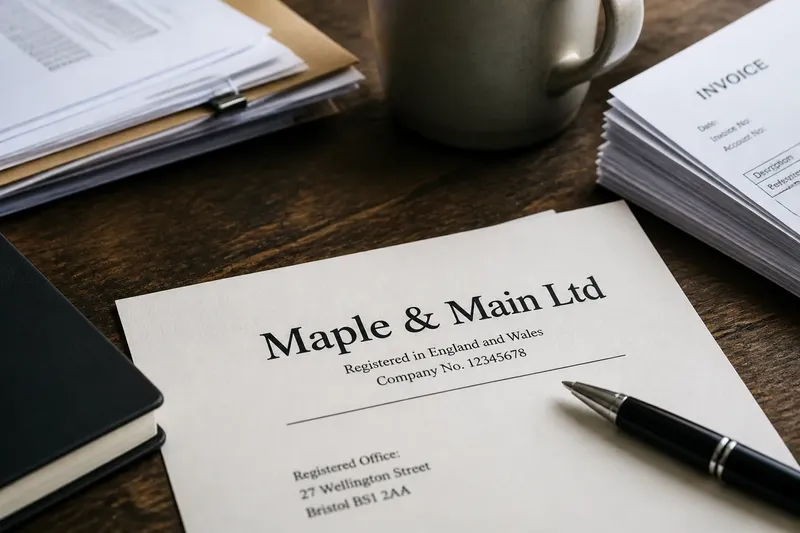
That distinction is useful in editorial notes, but it does not settle what belongs on a business card or letterhead. A company’s legal name may include words that its public-facing name omits, and its short form may be a registered mark or simply a familiar shorthand. Do not infer legal status from capital letters alone.
If you are naming an organization, keep a record of the full name, the preferred short form, and the spoken form. This gives writers and event hosts a source to consult instead of asking each person to infer pronunciation from the letters.
Document the short form as part of the name system
A naming record can clarify how the short form relates to the full name. Include the official wording, any approved shortened version, capitalization, punctuation, and a pronunciation cue when needed. If there is no approved short form, say so; that prevents an improvised abbreviation from quietly becoming the default.
Say you are preparing a naming record for the invented Harborlight Community Archive, whose staff use HCA in conversation and pronounce each letter. The record could state the full name, “Harborlight Community Archive,” the written short form, “HCA,” and “say the letters.” A designer could then use the full name on a welcome sign while an event host has a clear cue for an introduction.
Keep the record focused on decisions someone will actually need to make. If staff use a shortened name only in internal schedules, distinguish that from the form approved for public materials.
Match the written form to the material
A logo, a legal document, and a news release may each have different constraints. A logo can give a short form visual prominence while pairing it with the full name; a contract or government filing may require the exact entity name. For legal documents, check the relevant official records or ask a qualified professional rather than treating editorial style as legal advice.
In body copy, introduce an unfamiliar short form beside the full name if readers will encounter it again. If the name appears only once, the full name may be clearer. On a sign or a directory, space can favor the shorter form, but the surrounding context should still identify the organization.
Use a house style sheet to settle details such as periods, capitalization, and whether the full name is repeated after the first mention. These are editorial choices, not universal rules. Follow the organization’s published identity guidance when it exists, and apply your own chosen style consistently when it does not.
Check what a short form implies beyond pronunciation
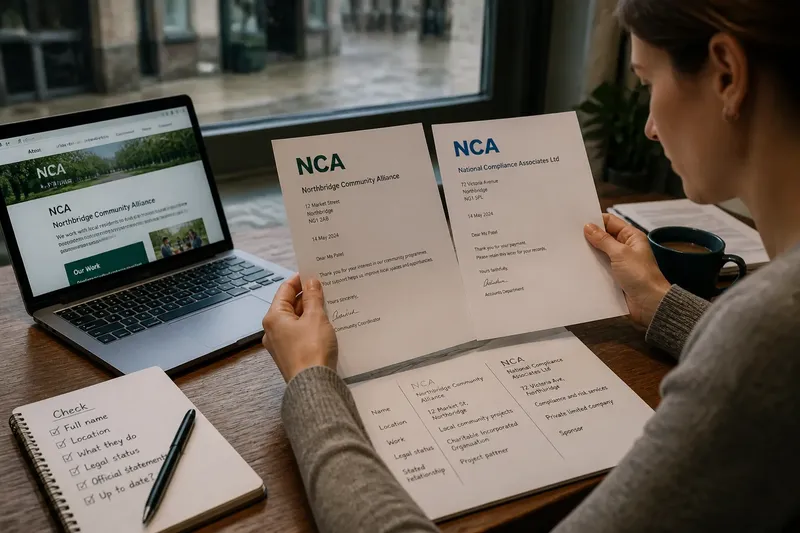
Initials can carry unintended meanings, resemble another organization’s name, or become hard to distinguish in a crowded directory. A quick search of the organization’s field and local area can reveal possible collisions, but it is not a legal clearance. For a consequential name or mark, consult an intellectual-property professional.
Also consider whether the letters remain usable when the full name changes. If a department is renamed, an old initialism may still be familiar, but the connection can become confusing. Decide whether to retain it, explain the history in suitable materials, or adopt a new short form; the right choice depends on audience recognition and the costs of changing existing materials.
A simple review can make the decision visible:
- Meaning: If the letters do not map clearly to the approved name, then document their origin or choose a clearer form; otherwise, record the intended expansion.
- Public use: If readers cannot tell which organization the short form refers to in a draft, then pair it with the full name or use the full name alone; otherwise, retain the short form in that context.
- Pronunciation: If staff give conflicting spoken forms, then ask the organization to settle one or avoid reading the letters aloud; otherwise, add the agreed cue to the naming record.
- Visual style: If a draft varies in capitalization or punctuation, then correct it to match the approved form; otherwise, keep the current styling.
- Possible collision: If a search surfaces a similar name in the same field or area, then seek a more distinctive option or professional clearance; otherwise, note that the initial review found no obvious match without treating it as legal approval.
- Future changes: If a planned rename would make the initials misleading, then assess whether a transition or replacement is clearer; otherwise, preserve the current short form and explain any change in the naming record.
Keep the review tied to the use at hand. A name for an internal project may need different checks from one that will appear on contracts, storefronts, or public campaigns.
How should you handle an acronym or initialism?
Should the full name come before the short form?
In ordinary prose, introduce an unfamiliar short form after the full name when readers will need it again. If it appears only once, use the full name and skip the extra abbreviation.
How should a new organization record pronunciation?
Write the preferred spoken form in plain language, such as “say the letters” or “pronounce it as a word.” If staff disagree, ask the organization to decide before the pronunciation appears in public scripts.
Can a short form be used on a legal document?
That depends on the document and the organization’s legal identity. Check the form’s requirements and consult a qualified professional when the consequences matter; a style guide cannot determine legal sufficiency.
Should an organization use periods between initials?
Follow the organization’s established spelling or its house style. Periods are a formatting choice in many contexts, but a legal name, registered mark, or published identity standard may have its own form.
Leave colleagues a usable naming record
A short entry in a style sheet can include the full name, approved short form, pronunciation, capitalization, and contexts where the short form is acceptable. Add a contact or source for questions if the naming decision may change. This is more useful than a note that merely says “use the acronym.”
For example, an event script can use the full name the first time and the approved short form later, while a sign can pair both forms if space allows. The naming record gives each writer a shared basis for those choices without forcing every format to look identical.
When you search for advice on acronym or initialism usage, keep the central distinction in view: pronunciation tells you which label fits, while an organization’s naming record tells colleagues how to use the form. Before approving a new short name, record that decision alongside the full name so the next sign, script, and document can follow it.